The flower opens once a year and lasts a single day. Miss that window and it sets no fruit.
For retailers and buyers
Vanilla from Sepik. Straight from the ground to your shelf.
We buy Grade A vanilla directly from smallholder families in Papua New Guinea, test and pack it in Indonesia, and ship it to retailers. One step from grower to you — which is why we can sell below the market.
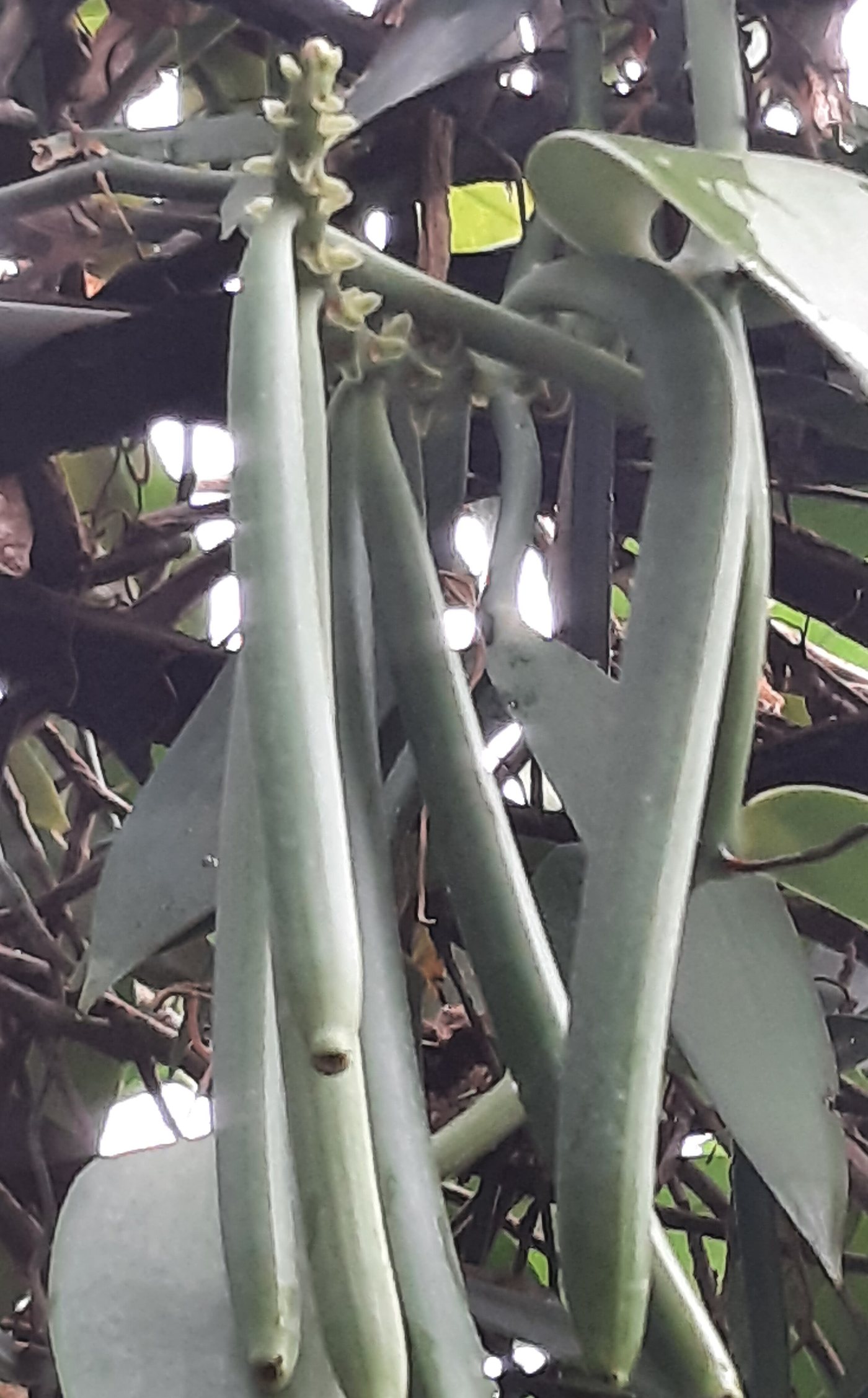
The world's second most expensive spice
Only saffron costs more. That price isn't an industry invention — it's in the plant.
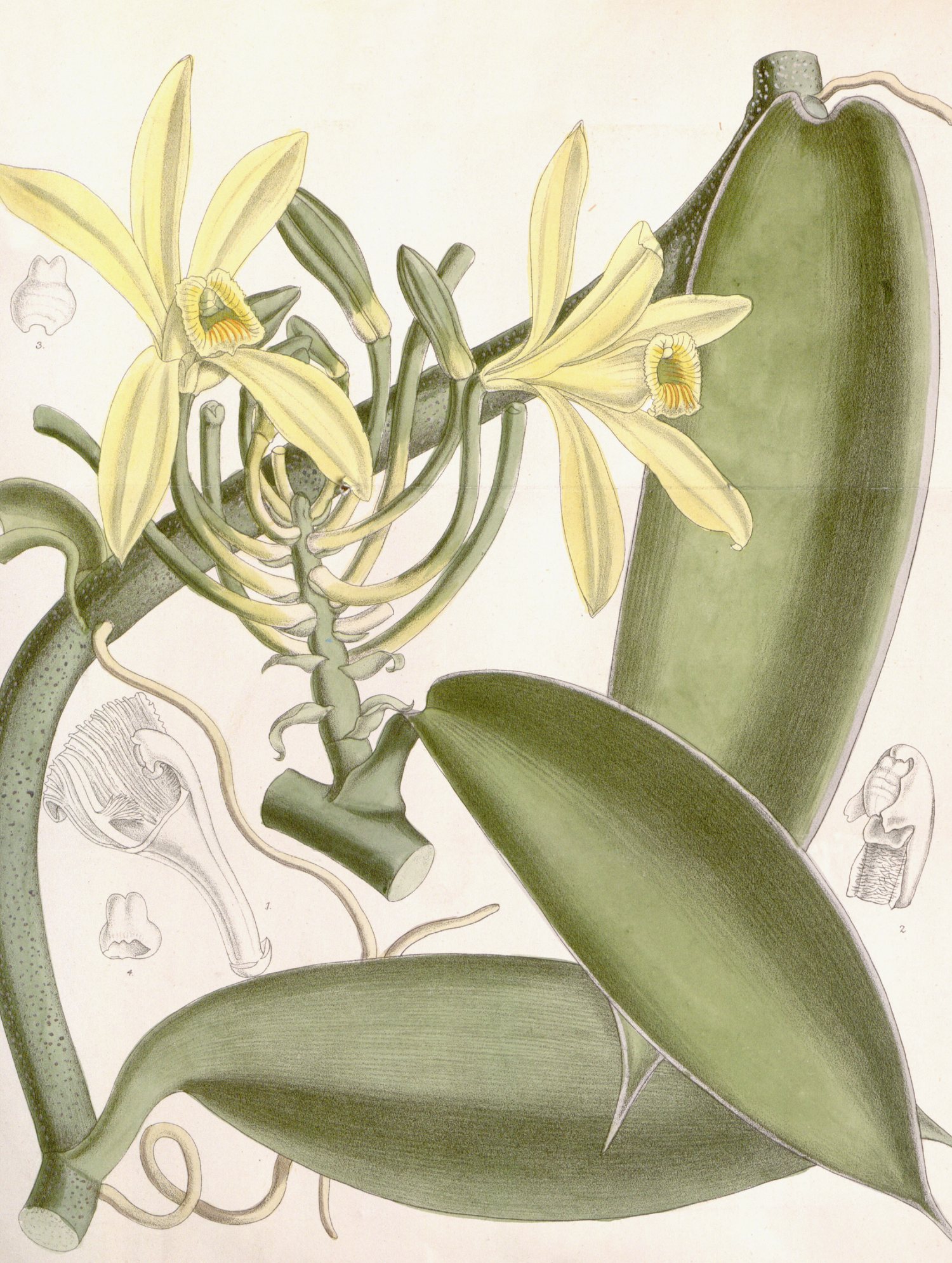
One day
By hand, flower by flower
Outside Mexico the vanilla orchid has no natural pollinator. Every flower is pollinated by hand — a technique Edmond Albius developed on Réunion in 1841 and still used on every plantation in the world.
3 years
A newly planted vine bears its first fruit only after about three years.
8–9 months
The pod matures on the vine for eight to nine months before it can even be harvested.
Months of curing
After harvest the pods are killed, sweated, sun-dried and conditioned over months. That is where the aroma is made — a green vanilla pod smells of nothing at all.
Five years from cutting to finished pod, every step of it by hand. That is why vanilla costs what it costs — and why the number of hands between the grower and you matters.
Why Papua New Guinea
The Sepik provinces of northern Papua New Guinea are one of the world's strongest vanilla regions — and one of its most overlooked.
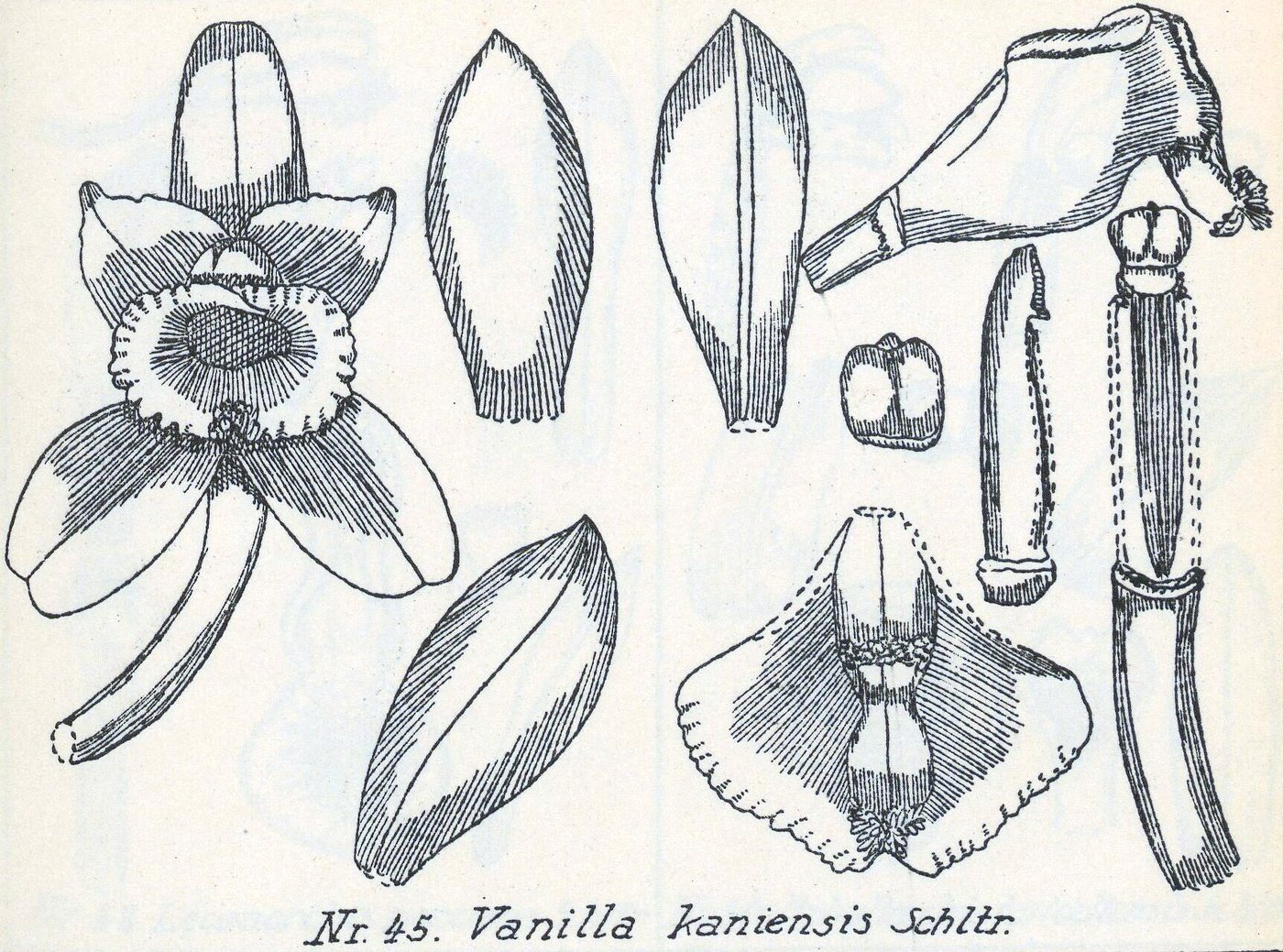
10% of world production
Papua New Guinea supplies roughly ten percent of the global vanilla crop and ranks among the largest producers in the world.
Around 17,000 growing families
Production rests on smallholder families, not plantations. About 80% of the country's vanilla comes from East and West Sepik.
Tahitensis country
Around 80% of what is planted in Papua New Guinea is Vanilla tahitensis — the same species as the Polynesian vanilla that Danish specialist shops sell at premium prices. The Sepik climate suits it better than anything else the country grows.
1,200+ aroma compounds
Tahitensis runs 0.4–0.8% vanillin but carries over 1,200 aroma compounds. The profile is soft, fruity and floral — anise, caramel, coconut, ripe stone fruit — and it is unique to this origin.
Organic by tradition
Vanilla has been grown in Papua New Guinea without synthetic fertiliser or pesticides for some 50 years. Nobody paid to convert the land — it has simply always been farmed this way.
The products
We trade whole pods. Grade A for gastronomy and retail, Grade B for extraction and industry.
Grade A — Gourmet
Whole, supple, oil-rich pods, 16–18 cm. For retail, restaurants and bakeries. Moisture around 30–35%.
V. tahitensis · SepikGrade B — Extraction
Drier pods for extract, syrup and industrial processing. Same origin, lower moisture, a sharper price per kilo of vanillin.
V. tahitensis · SepikBulk & private label
Vacuum-packed in kilo units for repacking, or packed in your own design. Tell us what you need.
On requestTesting and packing
Every lot is tested and packed in Indonesia before it ships. We check moisture, length, appearance and aroma, and reject what doesn't hold up. Papua New Guinea has historically had a reputation for uneven quality when pods are harvested too early — so nothing leaves until it has been checked.
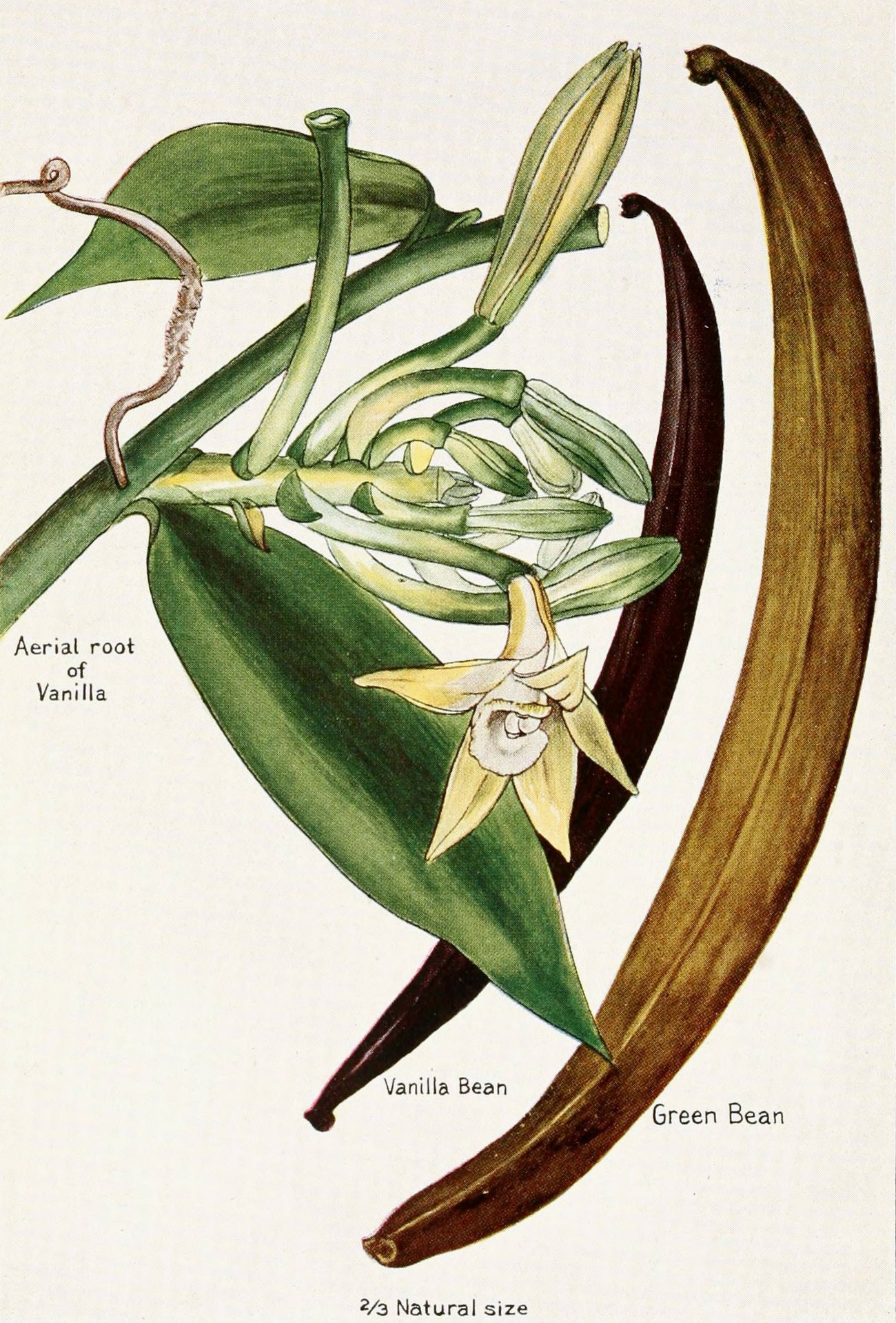
Why we are cheaper
Not because the vanilla is lesser. Because the chain is shorter.
01
The grower in Sepik
We buy directly from the families who grow and cure the pods.
02
Tested and packed in Indonesia
Quality control, grading and packing, in our own hands.
03
Direct to you
From our stock to your shop. No importer, no wholesaler, no middleman.
A typical vanilla chain has three to five parties between the grower and the retailer, each adding its margin. We own the chain from the ground to the customer. That is the whole explanation for the price — and we share the gain with the grower and with you.
About us
Vanilla is part of Gratierne and does one thing: the sale, support and distribution of vanilla. We sell primarily to the Danish market and we sell to retailers — specialist shops, bakeries, restaurants, wholesalers and manufacturers who use real vanilla.
Our raw material comes from Papua New Guinea. We test and pack in Indonesia and sell directly from the source to the customer in a complete vertical value chain. That is why we can sell so cheaply — no middlemen, and a willingness to share the profit with our clients.
Get in touch
Tell us what you need — volume, grade, timeline — and we'll come back with prices and samples.